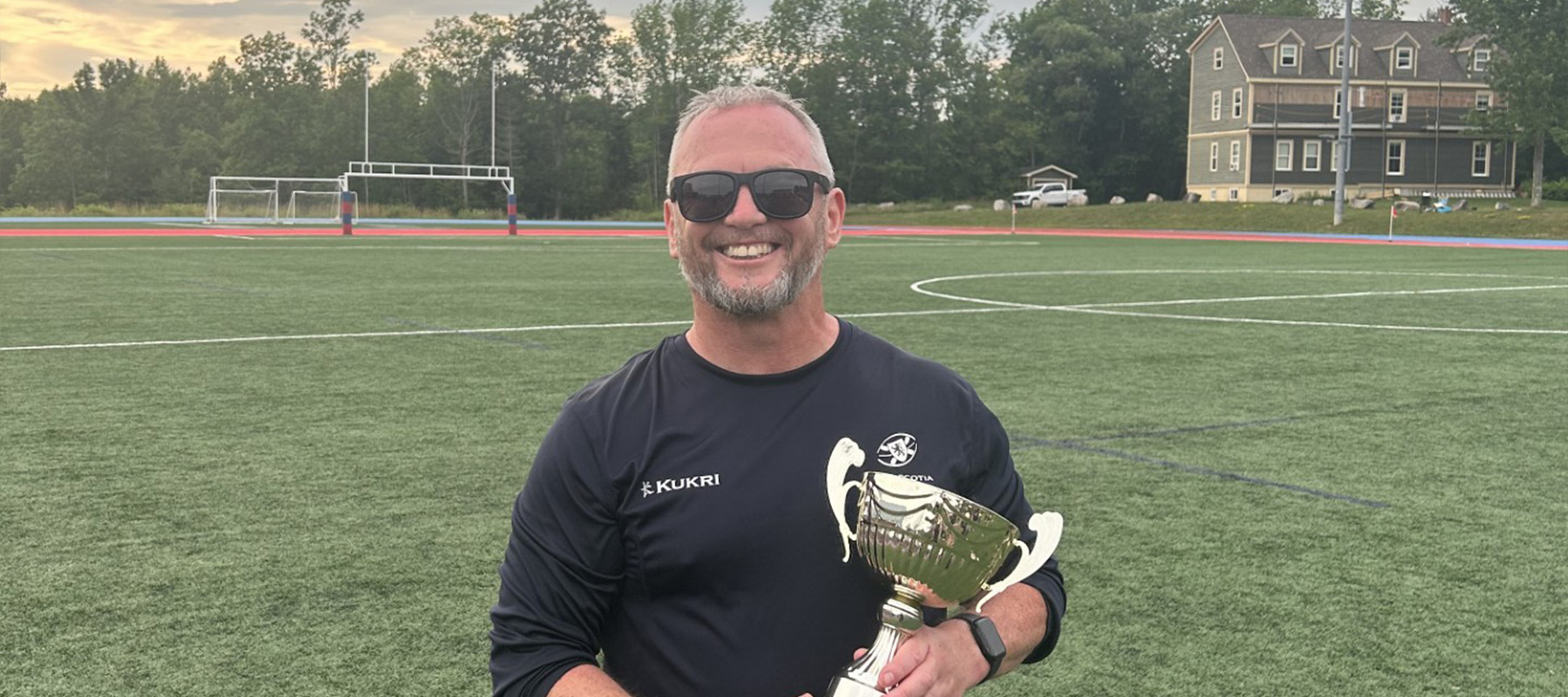
BSc (Hons) Sport and Exercise Science alumnus, Dr James Alder, talks about his transition into civilian life through university saying, “The skills I gained in the military helped me survive transition, but education helped me grow beyond it.”
I joined the British Army in 1989 as a school leaver from Wigan, beginning my career in the infantry. Over more than 25 years of service, I progressed to become a Physical Training Instructor, a role centred on leadership, performance, and developing others. My career took me across a range of demanding operational environments, including tours in Northern Ireland, Bosnia, and Iraq, alongside training deployments in Canada, Italy, and Saudi Arabia. I also served as an instructor at training establishments in Winchester and Pirbright. Throughout this time, the Army instilled in me a broad and enduring skill set, including critical thinking, communication, the ability to perform under pressure, analytical decision making, teamwork, and independent learning. These skills have remained central to everything I have done since.
In 2015, I left the Army after being medically discharged with post-traumatic stress disorder. Transitioning out of the military was one of the most challenging periods of my life. The loss of identity, combined with the impact of PTSD, created real uncertainty about my future and where I would fit outside of the military environment. However, I had always intended to attend university, and I saw education not only as a pathway into a new career, but also as an opportunity to rebuild and grow as an individual. That decision became a turning point.
After researching institutions that aligned with my interests and long-term ambitions, I chose the University of Winchester. The university’s support for military personnel and veterans made it the right environment for me. Through the Publicly Funded Higher Education scheme, I began my academic journey and enrolled on a Sport and Exercise Science degree. This choice was closely linked to my military background, particularly my experience as a Physical Training Instructor, and my growing interest in how physical activity can support individuals exposed to trauma, especially veterans. In the military, physical training was not just about performance, it was also a key part of maintaining mental resilience, and I wanted to understand that relationship more deeply.
The transition into university life was not without difficulty. Managing PTSD symptoms alongside academic demands, while also adapting to an environment where I was often older than many of my peers, required adjustment. Initially, this presented both personal and academic challenges. However, the discipline, resilience, and work ethic developed in the military supported my progression. Over time, supported by the University, I became more confident in my academic ability and more engaged in critical thinking, discussion, and research. Alongside my studies, I also gained valuable teaching experience as a postgraduate student and researcher, which played a significant role in shaping my future career direction.
I went on to complete a Master of Research in Sport and Exercise Science, which allowed me to further develop my skills as a researcher. Alongside this, I completed a Master of Science in Psychology. This combined academic foundation led to progression onto a PhD in Sport and Exercise Psychology, where I explored the efficacy of physical exercise as a treatment for PTSD in military veterans. During this phase, I developed advanced skills in research design, data analysis, academic writing, critical evaluation, teaching, and presentation, all of which complemented the capabilities I had already developed during my military career.
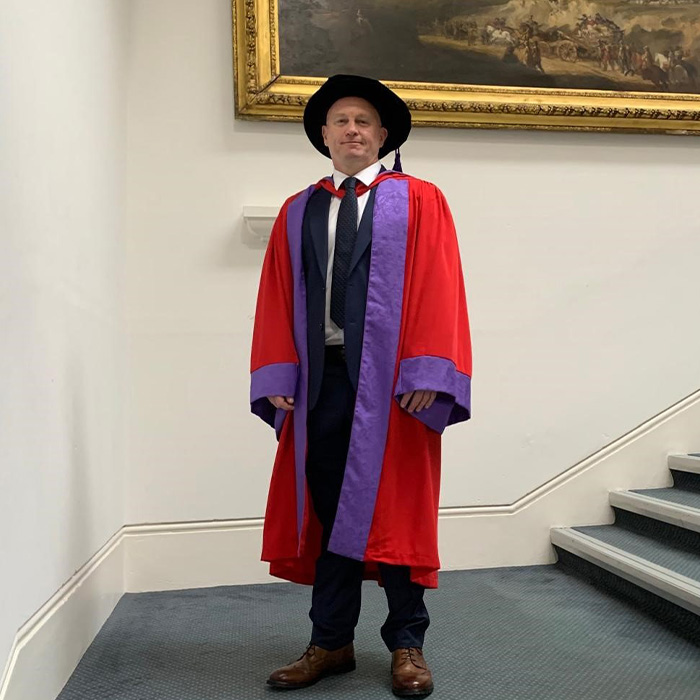
Following my PhD, I held associate lecturer and research roles at the University of Winchester, which supported my transition into higher education as an academic and educator. Through continued progression, I now work as Head of Sport at Regent College London, where I draw directly on both my military and academic experiences. Leadership, adaptability, communication, and the ability to support the development of others are central to the position, all of which were developed in the Army and refined through education.
Looking back, I did not have a clearly defined career plan beyond attending university. However, it proved to be the right decision. The skills developed in the military enabled me to navigate the challenges of transition, while higher education provided the knowledge, confidence, and credibility to succeed in a new professional environment. Education offered more than a qualification, it provided a new sense of purpose and direction.
For those considering life after the military, my advice is to plan ahead during the final years of service. Take time to research your options, understand the support available, and prepare fully for the transition. University can be a powerful environment for personal growth, helping you build confidence, develop new ways of thinking, and shape a meaningful and sustainable future beyond the military. The skills you already possess will support you throughout that journey, often more than you realise. Leaving the military is not the end of your story, it is the moment you begin to write it on your own terms.
Back to blog