
Russia's power base in Eurasia
Interdisciplinary Social Sciences research exploring Russia's shifting power base across Eurasia in the context of the Ukraine war
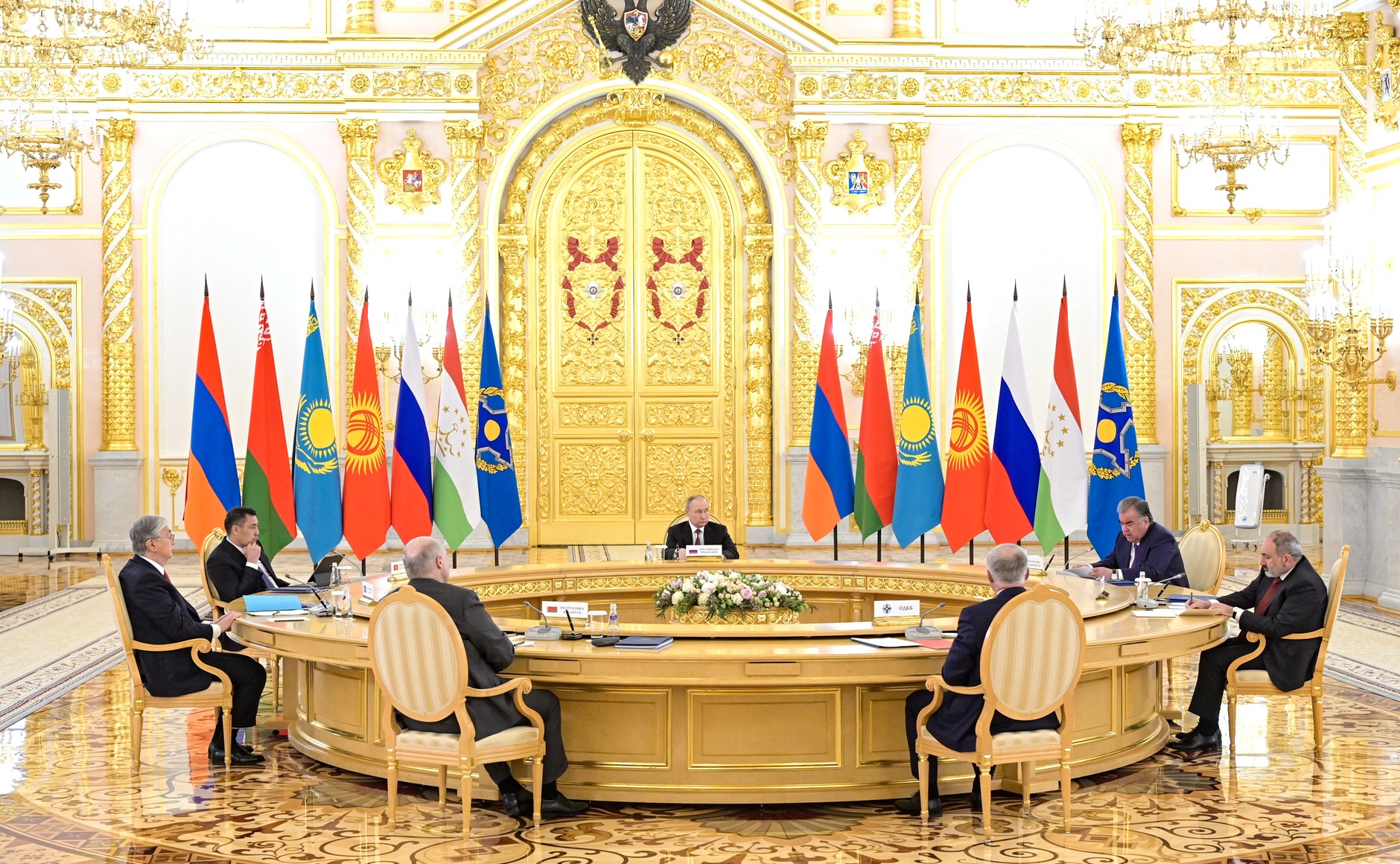
The Russian invasion of Ukraine has had obvious impacts on Russia's relations with the West, but what has it meant for Russia's position across the wider Eurasian region, notably former Soviet countries such as Armenia, Kazakhstan, Kyrgyzstan and Belarus?
In a series of recent publications, Social Sciences researchers Dr Sean Roberts, Senior Lecturer in Politics and International Relations, and Dr Ulrike Ziemer, Senior Lecturer in Sociology, have been taking a closer look at the stress the invasion of Ukraine is putting on Russia’s relations with its regional partners.
Their Sept. 2024 journal article ‘Russia's Leadership in Eurasia: Holding Together or Falling Apart?’ (International Studies Quarterly, Volume 68, Issue 3) offers an innovative theoretical and methodological exploration of Russia's relations with regional partner states.
In Sept 2025, they published 'Russian-led Eurasia: How Ukraine is Impacting Moscow’s Regional Partners, Australian Institute of International Affairs' (Australian Institute of International Affairs), arguing that the Ukraine conflict has had far-reaching implications for Russia’s regional leadership role.
Also in Sept 2025, they asked: Is Russia losing support of Eurasian allies in wake of Ukraine war?, in an article on LinkedIn.
Image top: Vladimir Putin with other leaders at the 2022 Collective Security Treaty Organisation (CSTO, the Russian equivalent of NATO) summit.