
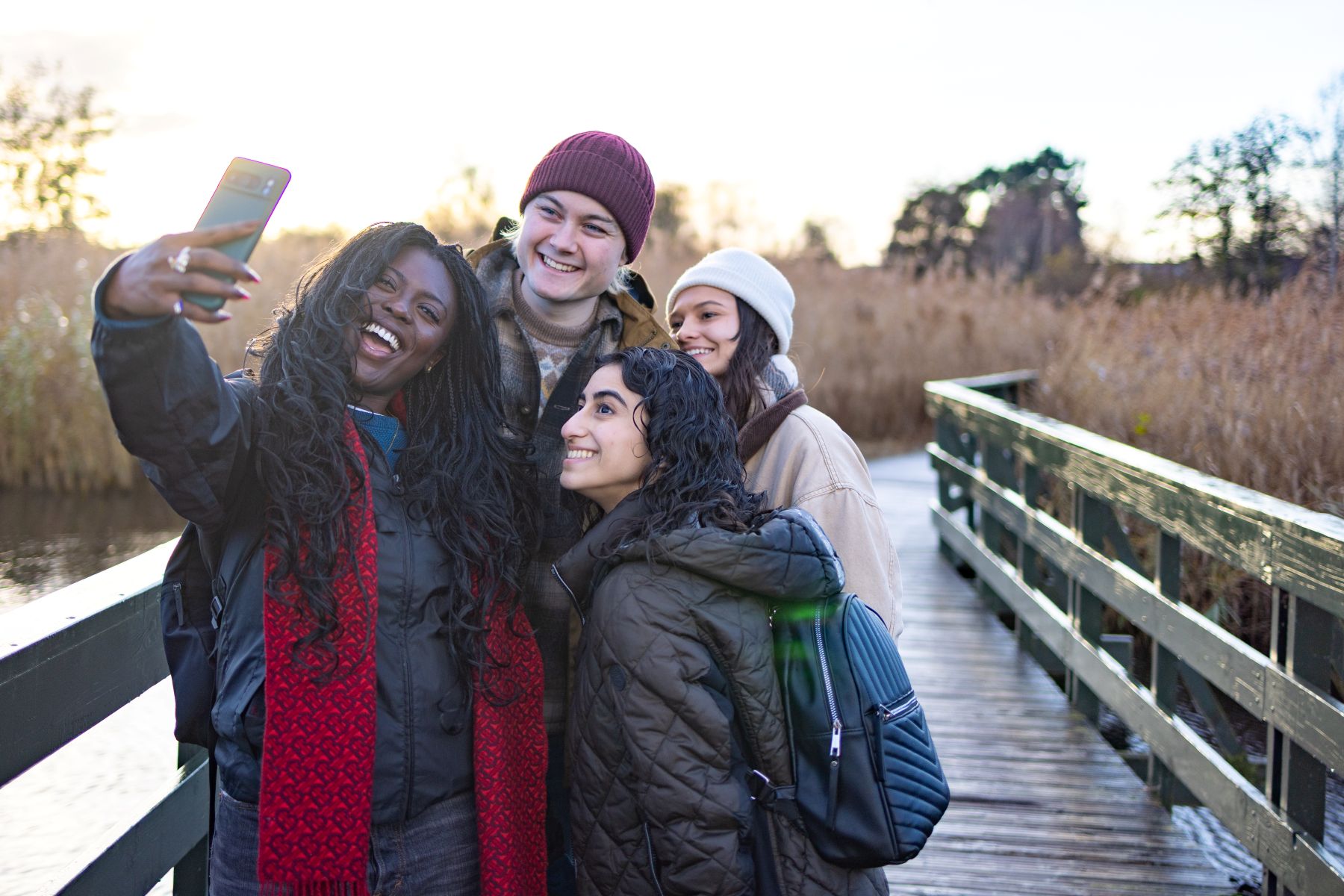
Countless great thinkers, inventors, scientists, artists and poets like Nietzsche, Jobs, Einstein, and Wordsworth reported that their ideas were inspired through nature - but can exposure to the great outdoors improve everyone’s creative thinking?
That’s the question at the heart of Blue Sky Thinking, a study led by academics from the University of Winchester, which looked at the effects of volunteering at a wetlands nature reserve on professional office workers.
The research, funded by Bank of America and conducted in conjunction with WWT, the Wetland Charity, was led by Paul Sowden, Professor of Psychology, Cognition and Creativity, who said: “Spending time in natural spaces promotes restoration of attention and a sense of ‘being away’ that could be ideal for the kind of mind-wandering and incubation of ideas that supports creativity.”
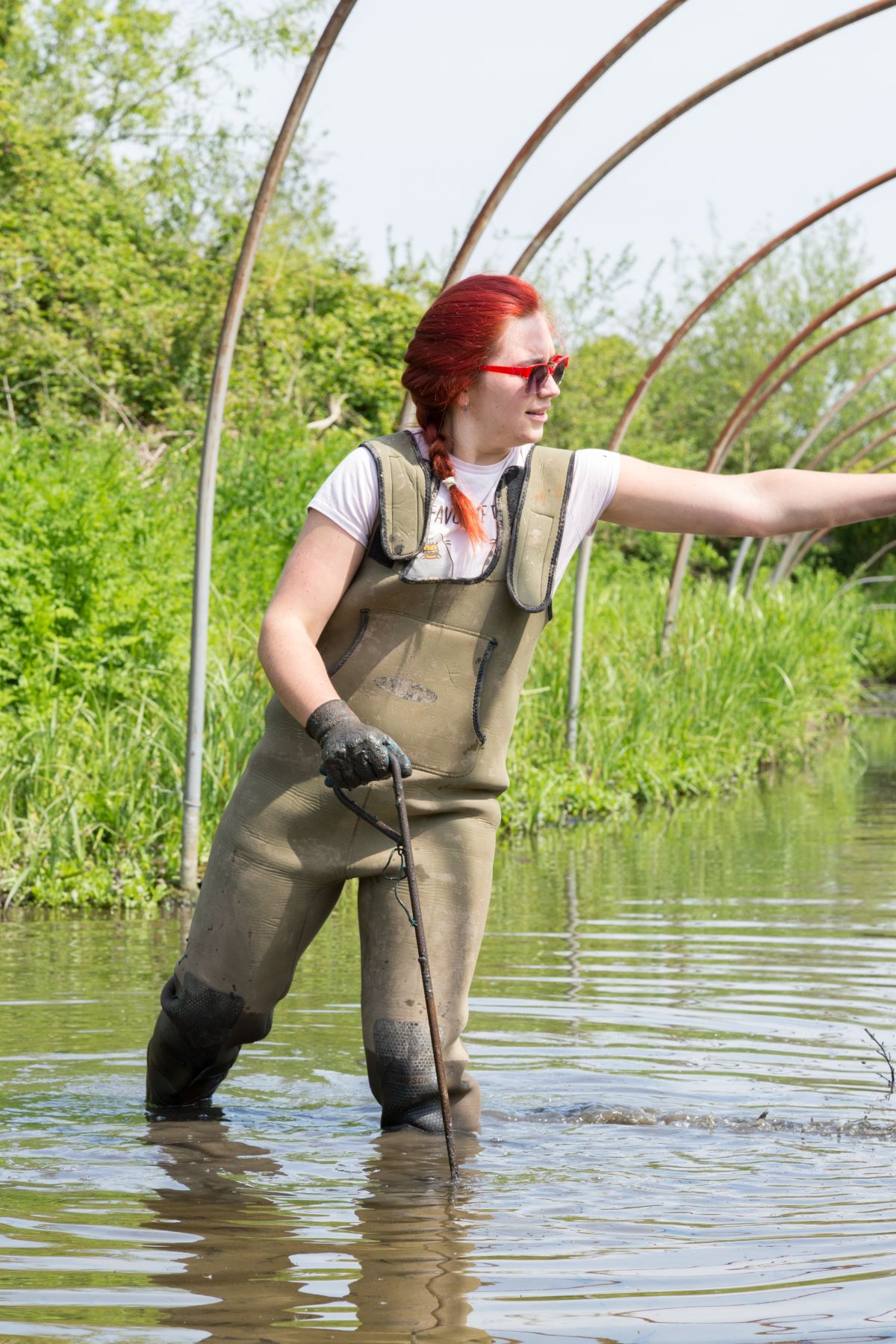
Researchers compared the performance of three groups of professionals on a creative thinking task before and after a spending a day in one of three different settings – volunteering in a WWT nature reserve conducting activities such as coppicing around water margins, volunteering at a non-nature location (a care home or school) conducting activities such as painting, or their ordinary day of work.
The volunteers were also asked to complete measures of aspects of cognitive ability, their mood, sense of restoration, integration with nature, openness to experience, and inspiration.
Findings included that any type of volunteering resulted in general benefits for mood, sense of restoration and integration with nature, compared to an ordinary day of work. However, these effects were strongest for volunteering in nature, extending previous work on the benefits of nature for wellbeing to the current wetland environments.
The nature volunteers also reported the greatest levels of inspiration, which predicted creative self-efficacy, and showed some evidence that they were better able to sustain generating creative ideas over the day, perhaps benefitting from the increased restorative power of the wetland environment.
Dr Jonathan Reeves of WWT said: “The results show that wetlands can provide an extra boost to some of the benefits of volunteering – such as improved mood, cognitive restoration and inspiration.”
“The changes were small, and relate to just one episode of volunteering, but they beg the question how large this impact might become if wetlands are scaled in urban environments to allow population-wide, daily moments of psychological refuge, restoration and inspiration.”
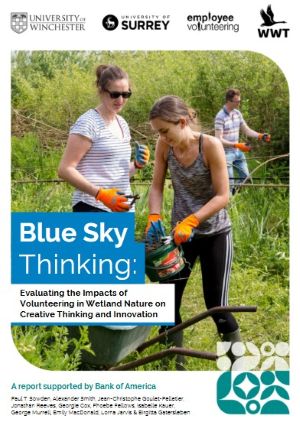
Blue Sky Thinking is available to read in full here.
Back to media centre