
The University of Winchester has secured £450,000 of funding from the Office for Students (OfS) to create a high-tech suite of classrooms to train the next generation of social workers.
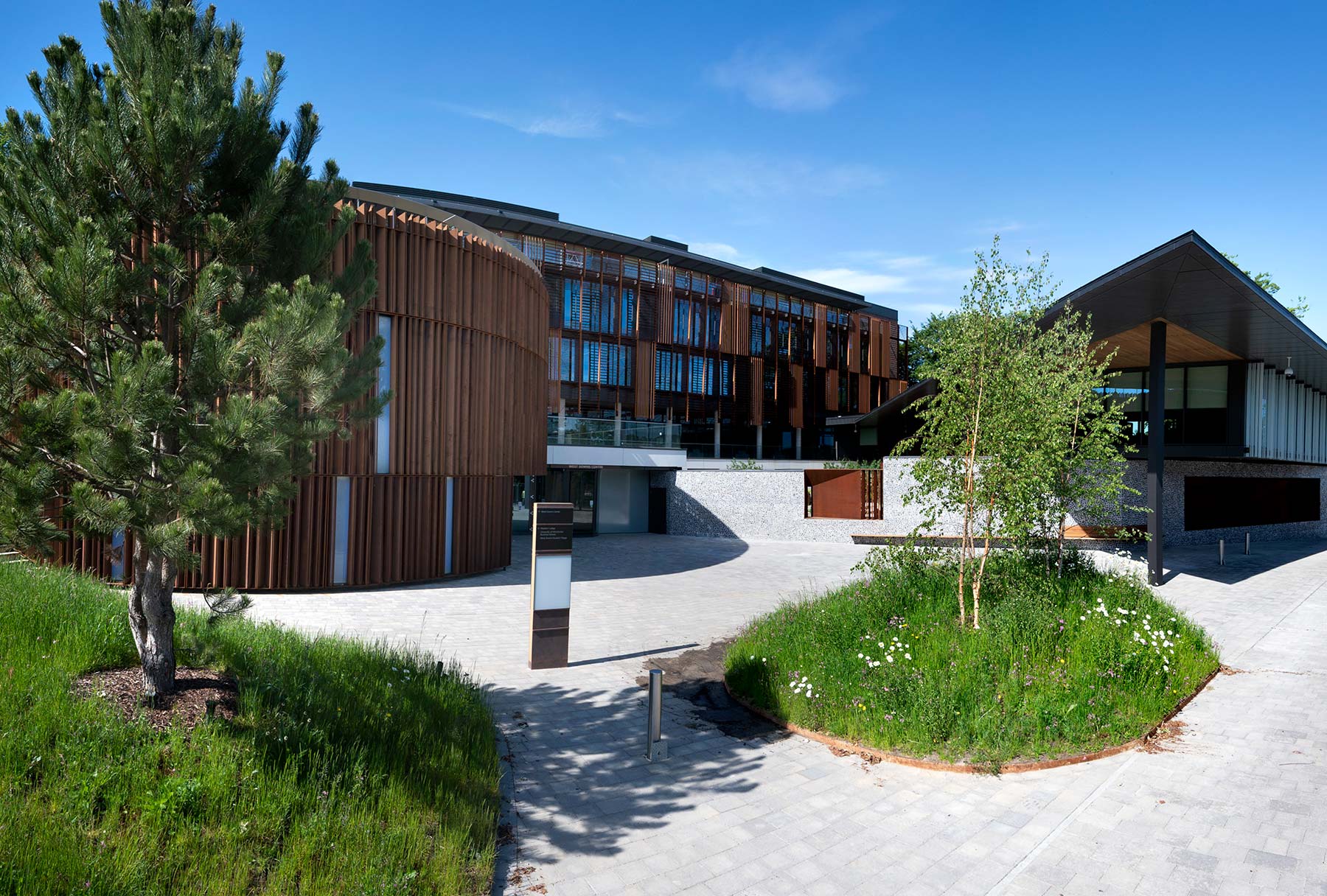
The grant will fund the conversion of four classrooms at the University’s West Down Centre (pictured) to Hyflex rooms which will enable students out on placements to connect with their tutors and peers on campus in real time.
Each room will be fitted with ceiling and boundary microphone arrays, auto-tracking cameras, large in-room displays dedicated to remote participants, and furniture that can be rearranged. Students joining from a practice base can hear and be heard by everyone in the room, see and be seen, and work in mixed breakout groups. For the first time, students on placement and those earlier in their programme can share the same session and learn from one another.
Dr Matthew Webster, Pro Vice-Chancellor at the University of Winchester who led the bid, said: “Social workers in training shouldn’t have to step out of practice to step up in their careers. This investment brings the classroom to them: whether they join from a placement or from campus, they’ll get the same quality of experience.”
Winchester is one of the largest providers of social work education in Hampshire and the Isle of Wight, and a principal supplier of social workers to Hampshire County Council. The University currently teaches 201 students: 81 undergraduates on BA and MA routes, and 120 apprentices employed in practice.
These students learn where the work is: a large rural and coastal county with pockets of deprivation. Placements take place in people’s homes and in small, dispersed teams, often in areas with poor transport links. Some students have to cross by ferry from the Isle of Wight. Block and day-release models work well, but they leave little room for the peer reflection between year groups that is vital to developing practice.
Dr Webster added: “This builds directly on what we’ve learned delivering the Social Work degree apprenticeship with our practice partners, where 98 per cent of apprentices are staying on their programme. Education has to fit around practice and the needs of those who rely on the service, not the other way round.”
The new classrooms will remove the geographical barriers that come with these placements. They will cut students’ travel costs and give them more time with the people they support.
Health and adult social care is a Skills England priority sector, and the Hampshire and Solent Local Skills Improvement Plan (LSIP) identifies a shortage of trained staff. According to Skills for Care’s Hampshire summary for 2024/25, the care workforce must grow by 30 per cent by 2040 to meet the needs of an ageing population.
Dr Webster said: “Universities increasingly need to serve people at every stage of their working lives, not just at 18. For a profession under real workforce pressure, routes that keep experienced practitioners learning and progressing matter enormously, to employers and to the communities who depend on them.”
Sophie Gay, Director for Faculty Professional Placements/Practice Education and Clinical Services in the Faculty of Health and Wellbeing, said: “This is a real enabler of our education of practitioners that responds to geographic as well as practice-based constraints.”
Work will begin over the Christmas break, and the classrooms are due to be ready for use from March 2027.
Back to media centre